
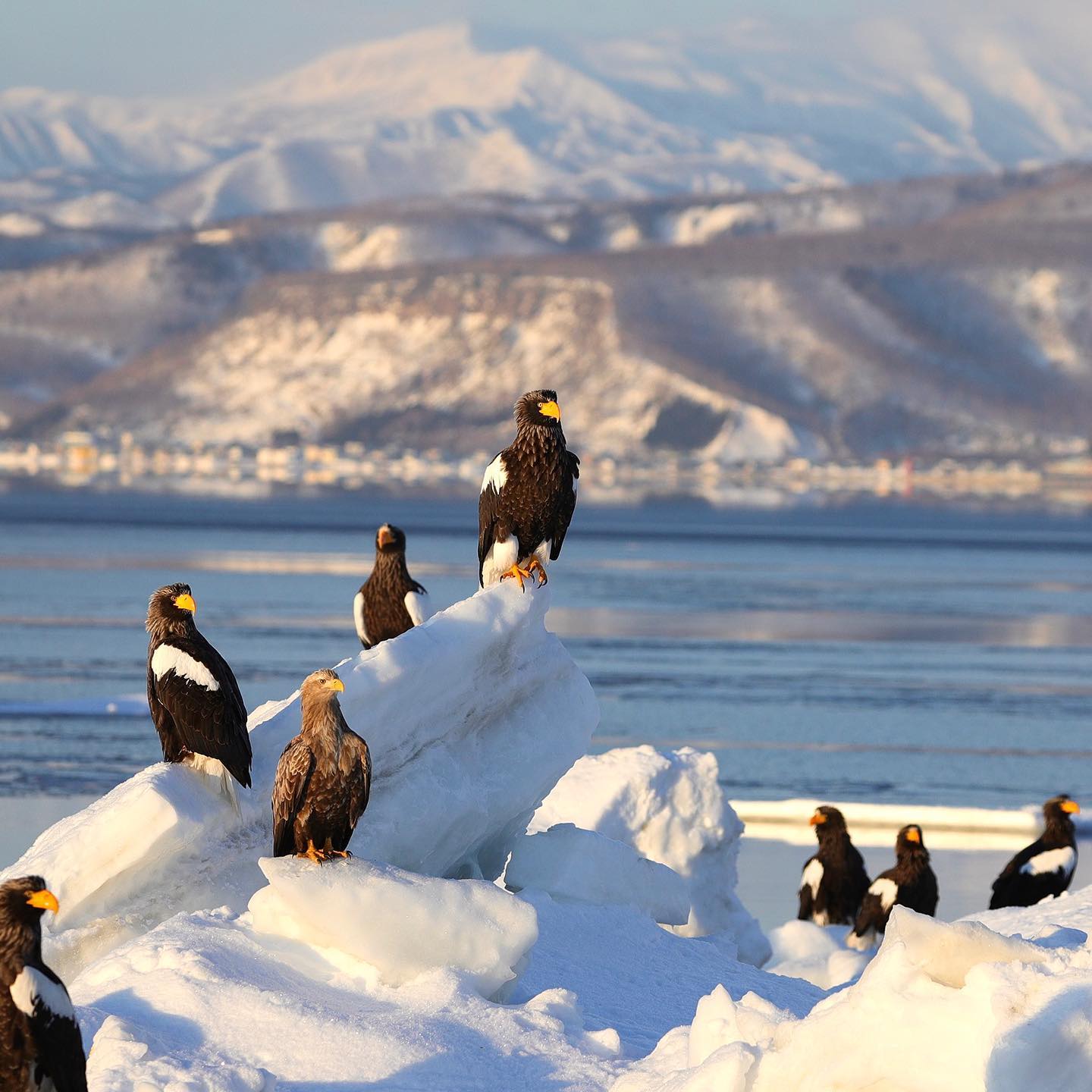
Japan, an island nation in East Asia, is known for its stunning landscapes, from snow-capped mountains to cherry blossom-filled valleys. Its diverse habitats support a variety of wildlife, including Japanese macaques, red-crowned cranes, sika deer, and majestic birds of prey like Steller’s sea eagles that soar along the northern coasts. Coastal waters are home to dolphins, sea turtles, and migratory whales, while forests shelter foxes, raccoon dogs (tanuki), and a wide range of other bird species. Japan’s network of national parks and nature reserves helps protect these unique animals and preserve the country’s rich biodiversity.
Visa
Visa exemption: UK citizens don’t need a visa for short-term tourism or business stays (up to 90 days) under standard conditions.
eVisa: There is a Japan eVisa system for some visa types, though typical tourists may not need to use it.
Working holiday: UK nationals aged 18–30 can apply for a Working Holiday Visa (up to 2 years as of December 2024).
Passport: Must be valid for the length of stay; no extra “6-month rule.”
Overstay: Overstaying is taken very seriously — fines, detention, deportation possible.
https://www.mofa.go.jp/j_info/visit/visa/visaonline.html
vaccinations and Health Information for Japan
Japan has high-quality healthcare, but treatment can be expensive for visitors.
Travel insurance covering medical treatment and evacuation is strongly recommended.
No mandatory vaccinations are required for entry for UK travellers, but it’s wise to be up-to-date on routine vaccines (MMR, DTP, polio, influenza).
UK Government Travel Advice
Japan Weather
Japan has a temperate climate, but because it stretches from north to south, weather varies significantly:
Northern Japan (Hokkaido): cold winters, mild summers.
Central Japan (Tokyo, Kyoto, Osaka): four distinct seasons.
Southern Japan (Okinawa, Kyushu): subtropical, warm year-round.
Japan has four main seasons:
Seasons and Weather
Spring (March – May)
Pleasant temperatures: 10–20 °C in north, 15–25 °C in central/south.
Cherry blossom season peaks late March–April in Tokyo/Kyoto.
Low rainfall; ideal for sightseeing.
Summer (June – August)
Hot and humid, especially in central and southern regions.
Rainy season (tsuyu): mid-June to mid-July, frequent showers and high humidity.
Typhoon season begins in August, mainly affecting southern and coastal areas.
Average temperatures: 25–35 °C in Tokyo, hotter inland; 30–32 °C in southern islands.
Autumn (September – November)
Pleasant, cooler temperatures: 15–25 °C.
Typhoon risk in September decreases after October.
Autumn foliage season is October–November, especially in mountainous regions.
Winter (December – February)
Northern Japan (Hokkaido, mountains): heavy snow, −5 to 5 °C; excellent for skiing.
Central Japan: cool, dry, 0–10 °C; occasional snow in northern plains.
Southern Japan (Kyushu, Okinawa): mild, 10–20 °C; snow is rare
Tour Packing List
1. Clothing
Lightweight, breathable layers – for comfort in varied temperatures.
Neutral-colored clothing – beige, green, or khaki to avoid disturbing wildlife.
Long-sleeved shirts and trousers – protect against mosquitoes, ticks, and sunburn.
Warm layers – fleece or jacket for cooler mornings/evenings, especially in Hokkaido or mountains.
Waterproof jacket / raincoat – essential in rainy season (June–July) or wet areas.
Hat / cap – sun protection.
Comfortable walking or hiking shoes – sturdy soles for trails and uneven terrain.
Socks – breathable, moisture-wicking.
Optional: gaiters for muddy or snowy trails in northern regions.
2. Wildlife & Nature Gear
Binoculars – essential for birdwatching and spotting mammals.
Camera with telephoto lens – for photographing wildlife.
Tripod / monopod – optional but useful for stable shots.
Notebook & pen – for recording sightings.
Field guides – birds, mammals, plants (Japan-specific guides recommended).
Daypack / small backpack – to carry water, snacks, camera, and rain gear.
Waterproof bags or ziplock bags – protect electronics and documents from rain.
3. Health
Insect repellent – DEET or picaridin for mosquitoes and ticks.
Sunscreen – SPF 30+, water-resistant.
First aid kit – bandages, antiseptic wipes, blister pads, painkillers, anti-diarrheal medicine.
Prescription medications – bring enough for the trip plus a copy of the prescription.
Hand sanitizer / wet wipes – for hygiene on trails.
Travel insurance – must cover medical emergencies and evacuation.
4. Accessories
Reusable water bottle – stay hydrated.
Sunglasses – UV protection.
Binocular harness or strap – for comfort during long walks.
Portable power bank / charger – essential for cameras and phones.
Flashlight / headlamp – useful for early morning or dusk wildlife observation.
Gloves – lightweight for cooler areas.
Light scarf or buff – sun and dust protection.
5. Documents & Money
Passport – valid for entire stay.
Travel insurance details – including medical coverage.
Cash (Yen) and cards – some rural areas may be cash-only.
Copies of documents – keep originals and backups separately.
6. Optional / Region-Specific Items
Snow gear – if visiting Hokkaido in winter (thermal layers, waterproof boots).
Gaiters / waterproof boots – for marshy or snowy areas.
Small snacks / energy bars – for long wildlife excursions.
Portable chair or mat – optional, for comfort during long observation sessions.
Map / GPS – if exploring remote areas.
Packing Tips
Layering: Japan’s climate varies dramatically by region and season; layers allow for comfort in hot, cold, and wet conditions.
Neutral tones: essential for wildlife tours to avoid startling animals.
Rain gear: Japan can be wet even outside the official rainy season, especially in forests and mountains.
Footwear: closed, sturdy shoes are mandatory for safe trekking and wildlife spotting
Not available