
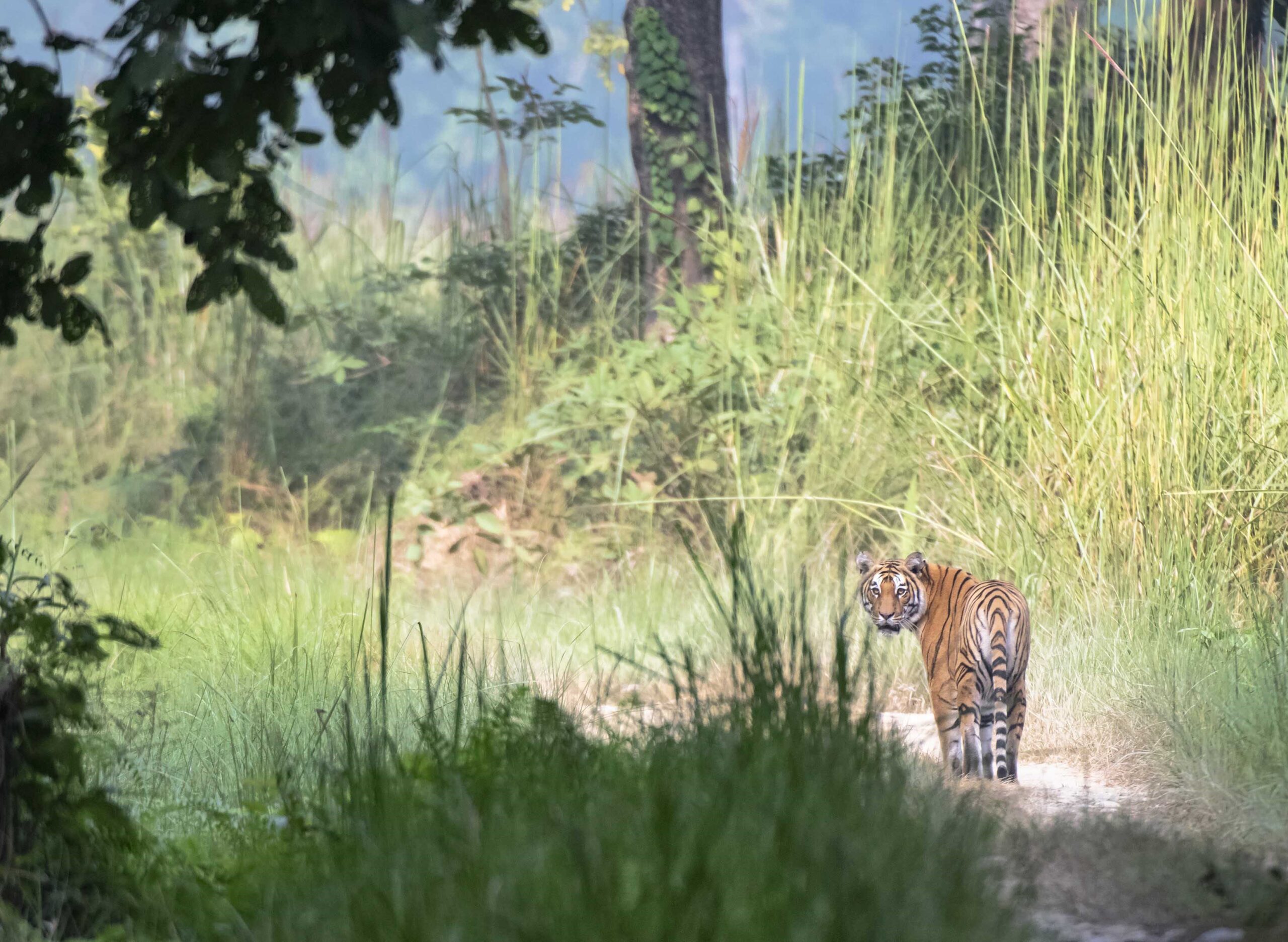
Nepal, a landlocked country in South Asia, is known for its towering Himalayan mountains, lush valleys, and rich cultural heritage. Despite its small size, Nepal hosts an impressive range of wildlife thanks to its diverse ecosystems, from subtropical forests to snowy alpine regions. National parks such as Chitwan and Bardia protect endangered species like the Bengal tiger, one-horned rhinoceros, and Asian elephant. In the high mountains, rare animals such as the snow leopard, red panda, and Himalayan tahr roam rugged cliffs and forests. With its remarkable biodiversity and strong conservation initiatives, Nepal remains a vital sanctuary for both iconic and elusive wildlife
Visa
Visa: Tourist visas up to 90 days. You can apply for an ETA online.
On-arrival option: Yes — you can fill in a form at the airport and pay there (USD preferred; bring cash in case).
Passport: Needs at least 6 months validity from date of arrival.
Visa extension: Can be extended (online) up to 150 days per year.
vaccinations and Health Information for Nepal
Routine (make sure up to date)
MMR
Diphtheria, Tetanus & Polio
Influenza
Covid-19
Recommended for Most Travellers
Hepatitis A
Typhoid
Tetanus booster (if >10 years)
Recommended Depending on Trip
Hepatitis B
Rabies
Japanese Encephalitis
Cholera (rarely needed)
UK Government Travel Advice
Nepal Weather
Seasons
Spring: March – May
Monsoon (Summer): June – September
Autumn (Post-monsoon): October – November
Winter: December – February
Rainfall
Around 80% of Nepal’s annual rainfall falls during the monsoon (June–September).
Heavy rain in the hills and mountains can trigger landslides and flooding.
In some regions like Pokhara, annual totals can be very high (up to ~2,500 mm).
Temperature Ranges
Terai (lowland plains): Hot summers (up to ~40°C), mild winters (~7–23°C)
Kathmandu / mid-hills: Summer ~20–30°C, winter ~2–12°C.
High Himalayas: Very cold winters (down to –10°C to –30°C), cool summers.
Regional Climate Variability
Nepal’s climate zones vary by altitude: sub-tropical in the south, temperate in the hills, alpine in the high mountains.
Higher-altitude areas have more extreme weather and bigger temperature swings.
Best Times to Visit
Autumn (Oct–Nov): Clear skies, mild weather, excellent mountain views.
Spring (Mar–May): Warm, blooming rhododendrons, good trekking conditions.
Monsoon (Jun–Sep): Less ideal for trekking (rain, landslides), but very lush; “rain-shadow” areas can be good.
Winter (Dec–Feb): Excellent for low-altitude travel, expensive trekking paths at high altitude; cold in mountains
Safari Packing List
Clothing (Lightweight + Neutral Colours)
Lightweight long-sleeve shirts
Breathable long trousers
T-shirts (earth/neutral tones for wildlife viewing)
Warm layer (mornings can be cool Nov–Feb)
Lightweight waterproof jacket
Shorts (for lodges/camps)
Sun hat / wide-brim hat
Buff or scarf (dust/dirt protection)
Comfortable walking shoes
Sandals/flip-flops for lodge
Socks & underwear
Swimwear (many lodges have pools)
B. Health & Safety
Antimalarial tablets (if visiting Terai, consult travel clinic)
DEET insect repellent (30–50%)
Sunscreen (SPF 30–50)
Aftersun / aloe
Antihistamines
Anti-diarrhoeal tablets
Oral rehydration salts
Personal medications
Small first-aid kit
Hand sanitiser
Plasters, blister pads
C. Documents
Passport (6+ months validity)
Nepal visa or ETA
Travel insurance (include medical evacuation if remote)
Vaccination record
Lodge / safari booking confirmations
Cash in NPR and some USD
D. Safari Gear
Binoculars (8×32 or 10×42 ideal)
Camera, lenses, memory cards
Power bank
Dry bags (dust and humidity protection)
Daypack for game drives and walks
Refillable water bottle
Wildlife ID guide (birds/mammals)
E. Electronics
Universal travel adapter
Phone + charger
Camera battery charger
Spare batteries
Headtorch/flashlight
F. Toiletries
Toothbrush/toothpaste
Shampoo/conditioner
Soap or body wash
Deodorant
Razor
Wet wipes
Tissues
Lip balm (SPF)
Basic cosmetics
G. Useful Extras
Sunglasses
Notebook & pen
Ziplock bags (protect gear from humidity/dust)
Laundry soap sheets (handwashing)
Snacks for long drives
Light gloves (for early-morning jeep drives in winter)
H. Seasonal Notes (Important)
Nov–Feb (cool season):
Bring extra layers for dawn/dusk
Early morning jeep drives can be cold
Mar–Jun (hot season):
Very warm; bring extra lightweight clothing
Jun–Sep (monsoon):
Heavy rain possible — waterproofs & dry bags essential
Mosquito levels higher
Not available