
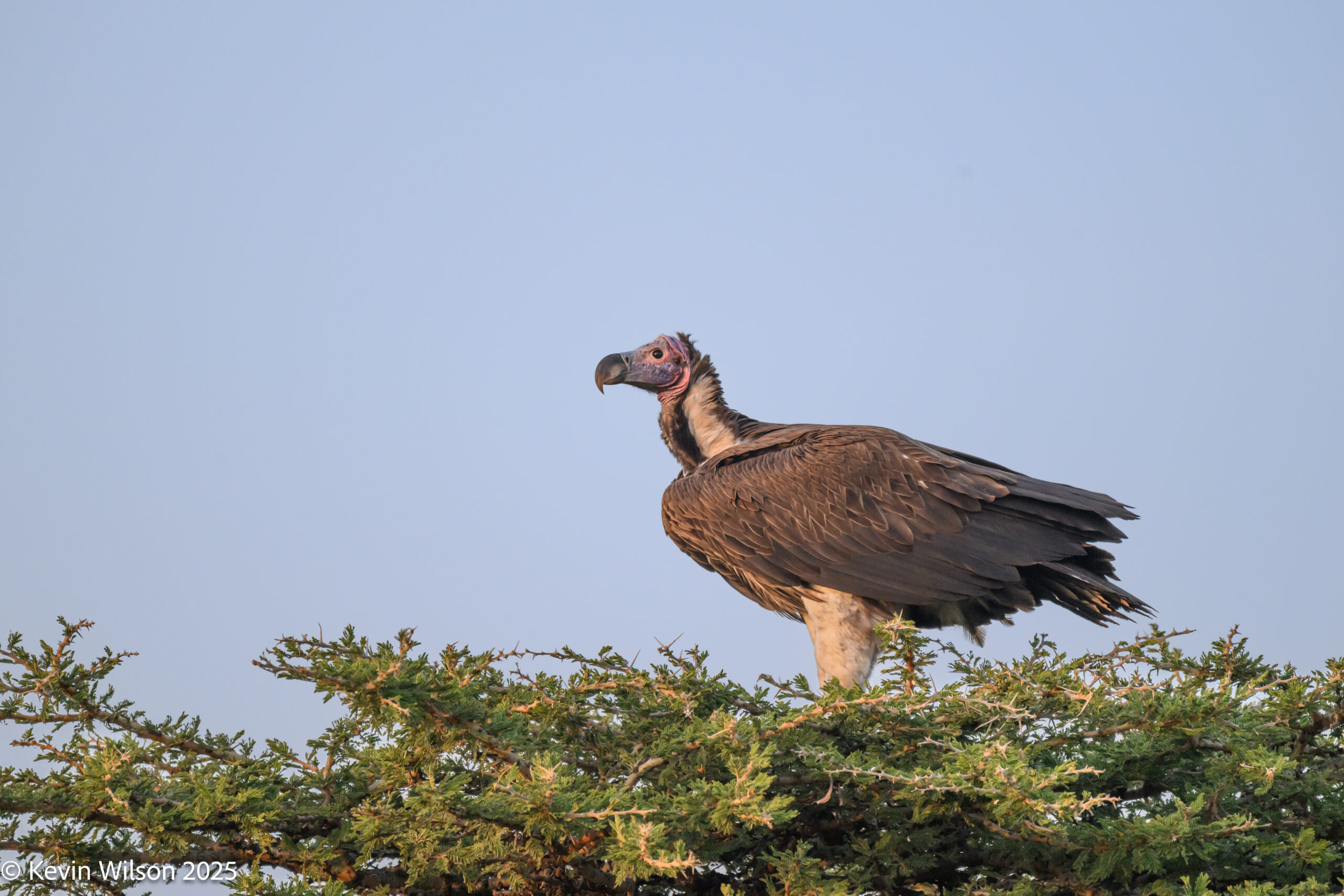
Senegal, a West African nation known for its vibrant culture and Atlantic coastline, is home to a rich variety of wildlife and birdlife. Its national parks and reserves, such as Niokolo-Koba and Djoudj National Bird Sanctuary, protect species like antelopes, warthogs, crocodiles, and even rare West African lions. Senegal is especially famous for its birds, hosting hundreds of species including pelicans, flamingos, herons, and migratory waterbirds that flock to its wetlands each year. From coastal mangroves to savanna plains, Senegal’s diverse habitats support an impressive array of animal and bird species, making it an important country for conservation in West Africa.
Visa
British citizens do not need a visa to visit Senegal for short stays (up to 90 days).
On arrival at Dakar Blaise Diagne Airport (DSS), you may need to show:
A valid passport
Evidence of return or onward travel
Proof of accommodation (hotel booking)
Passport validity: Your passport must be valid for at least 6 months after your arrival in Senegal.
For stays longer than 3 months, you must register with local authorities and get a “Carte d’étranger.”
Yellow fever: A vaccination certificate is required if you are arriving from (or transiting through) a country with a yellow-fever risk
vaccinations and Health Information for Senegal
Recommended Travel Vaccinations (UK Travellers)
Routine / Strongly Recommended
Hepatitis A
Typhoid
Tetanus, Diphtheria & Polio (Td/IPV booster)
Hepatitis B
Often Recommended (Depending on Activities + Trip Length)
Rabies – for rural travel, wildlife tours, long stays, or limited access to medical care.
Meningitis ACWY – Senegal sits in Africa’s “meningitis belt,” especially relevant Dec–June (dry season).
Required (Yellow Fever)
Yellow Fever vaccination:
Required if arriving from a yellow-fever risk country.
Recommended for most travellers, as Senegal has yellow-fever transmission.
Other Health Considerations
Malaria prevention is essential
Take antimalarial medication.
Use insect repellent, long clothing at dusk, and mosquito nets.
Dengue risk — strong mosquito bite protection needed.
Cholera – vaccine recommended mainly for high-risk deployments, humanitarian work, or areas with poor sanitation.
UK Government Travel Advice
Senegal Weather
Senegal has a tropical climate with two main seasons: a dry season dominated by the Harmattan winds, and a rainy season with short, intense showers.
Dry Season (November – May)
Best time to visit
Weather: Hot, dry, mostly cloudless skies.
Temperatures:
Day: 28–34°C
Night: 18–23°C
Humidity: Low and comfortable.
Rain: Almost none.
Harmattan winds:
December–February
Brings dry, dusty winds from the Sahara
Can reduce visibility and create haze
Coastal areas (Dakar): Cooler and breezy; evenings can feel mild.
Rainy Season (June – October)
Also known as the “green season”
Weather: Hot and humid with short, heavy showers or thunderstorms.
Temperatures:
Day: 30–33°C
Night: 24–27°C
Rainfall:
Peaks July–September
Downpours usually late afternoon or night
Humidity: High (70–90%).
Mosquito activity: Significantly higher.
Regional Differences
Coastal (Dakar, Saint-Louis)
Cooler with Atlantic breezes.
Less rainfall than inland regions.
Summer heat is milder compared to the interior.
Inland (Tambacounda, Niokolo-Koba)
Much hotter — can reach 40°C in April/May.
More intense wet-season storms.
Best Time for Wildlife & Birding
Dry season (Dec–April) for most wildlife areas.
Nov–March is peak for migratory birds in Djoudj & Langue de Barbarie.
Senegal Packing List
Clothing
Lightweight, breathable clothing in neutral colours (khaki, beige, olive, brown):
2–3 lightweight long-sleeve shirts
2–3 short-sleeve shirts
2 pairs of lightweight safari trousers
1 pair of shorts (optional)
1 warm layer for cool mornings/evenings
1 light waterproof jacket (Jun–Oct rainy season)
Comfortable walking shoes or trail shoes
Sandals/flip-flops for lodge wear
Sun hat with wide brim
Buff or lightweight scarf (dust + sun protection)
Avoid: bright colours, blues/purples (may attract insects).
Health & Hygiene
High-strength insect repellent (DEET, picaridin or lemon eucalyptus
Antimalarial medication (as prescribed)
Sunscreen (SPF 30–50)
After-sun or aloe gel
Rehydration salts (heat + humidity)
Personal medications in original packaging
Small first-aid kit (plasters, antiseptic wipes, pain relief)
Hand sanitiser
Wet wipes / tissues
Mosquito net (many lodges provide, but carry one if staying basic)
Optics & Photography Gear
Binoculars (8×42 or 10×42 ideal for birds & wildlife
Camera + batteries + charger
Telephoto lens (e.g., 100–400mm for wildlife)
Spare memory cards
Lens cloth / cleaning kit
Power bank (heat drains batteries faster)
Electronics & Essentials
Universal travel adaptor (Senegal uses Type C / E, 230V
Charging cables
Power strip (optional but useful)
Phone with offline maps
Small torch or headlamp
Waterproof dry bag for electronics (rainy season)
Documents & Money
Passport (6 months validity
Travel insurance documents
Vaccination records (Yellow Fever certificate if applicable)
Copies of passport & insurance
Cash (CFA franc); cards not accepted everywhere
Small secure daypack
Padlock for luggage
Comfort & Field Gear
Refillable water bottle
Lightweight daypack
Travel towel
Quick-dry clothing
Snacks for long drives
Sit-upon or cushion (optional for birders)
Optional (Birding/Wildlife Specific)
Field guide to West African birds or mammals
Notebook for sightings
Bird call app (offline)
Compact tripod or monopod
UV-protection sunglasses
If Visiting in Wet Season (Jun–Oct)
Light rain jacket
Waterproof bag cover
Fast-dry trousers
Extra insect repellent
Not available