
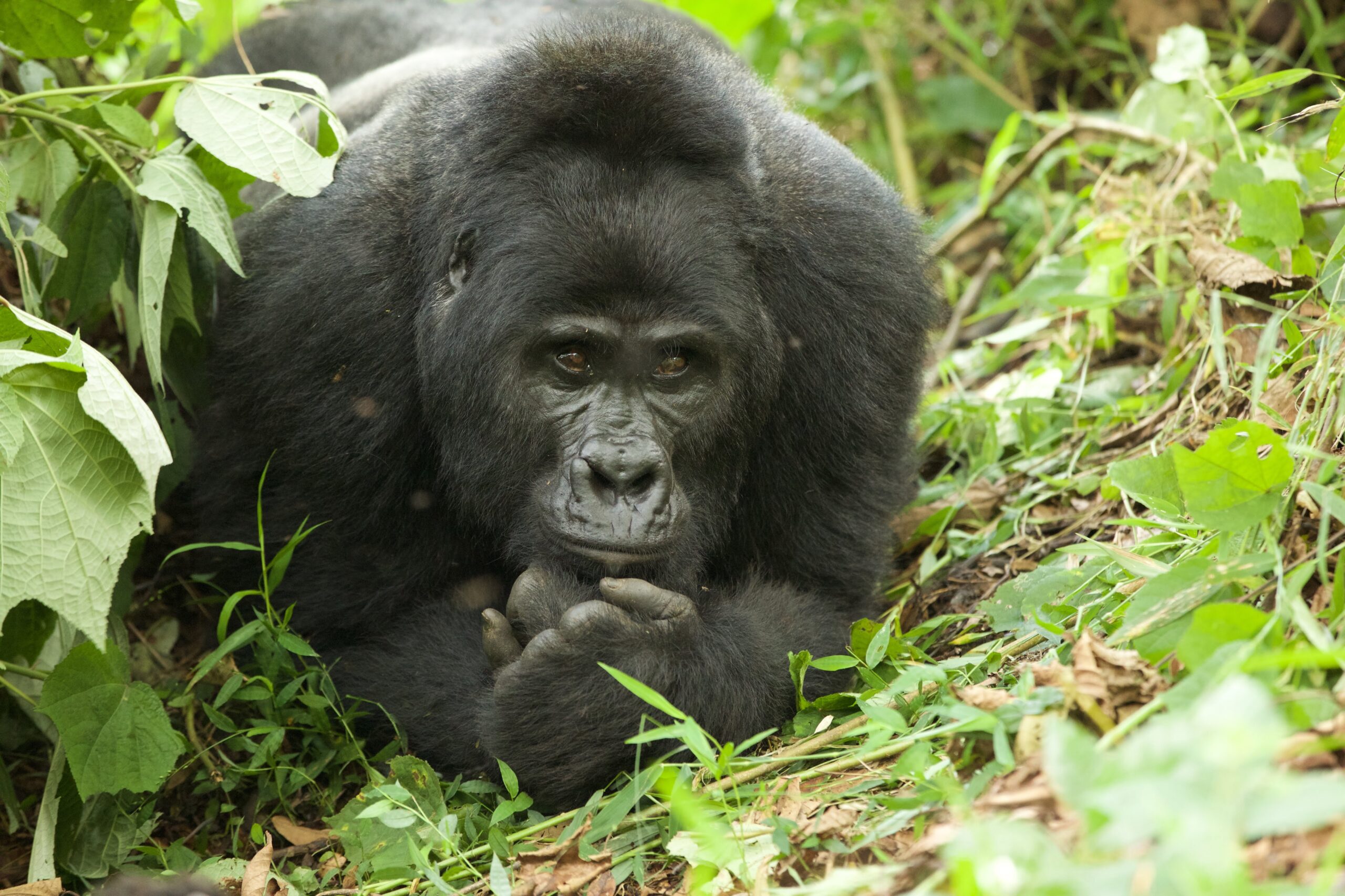
Uganda, a landlocked country in East Africa, is known for its lush landscapes, rolling green hills, and remarkable biodiversity. Its national parks and forests are home to some of the world’s most iconic wildlife, including mountain gorillas in Bwindi Impenetrable National Park and chimpanzees in Kibale Forest. Uganda’s savannas, such as those in Queen Elizabeth and Murchison Falls National Parks, support elephants, lions, hippos, buffalo, and many species of antelope. The country is also a paradise for birdwatchers, boasting over 1,000 bird species, including the rare shoebill stork. With its diverse ecosystems and rich wildlife, Uganda is often called the “Pearl of Africa.
Visa
You must apply for a Uganda visa online. You will have to attach the required documents and certificates. In most cases, you must submit a yellow fever vaccination certificate.
The immigration authorities will email you a letter of authorisation including a barcode. Print out the letter to show on arrival. Border officials will issue your visa.
Alternatively, you can take the letter to a Ugandan embassy and they will issue the visa.
You can also apply for an East African tourist visa online. This costs 100 US dollars and allows multiple entries into Kenya, Rwanda and Uganda over 90 days
Vaccinations and Health Information for Uganda
Routine / Strongly Recommended
Make sure you are up to date on standard UK vaccines:
MMR (Measles, Mumps, Rubella) – 2 doses
Diphtheria, Tetanus & Polio (DTP booster) – within the last 10 years
Covid-19 – up to date
Recommended for All Travellers
Hepatitis A
Food and water–borne; recommended for nearly all travellers.
Typhoid
Recommended for most travellers, especially rural areas or local restaurants.
Consider Depending on Activities
Hepatitis B
For longer stays, volunteering, healthcare work, sexual contact, or rural travel.
Rabies
Uganda has stray dogs and wildlife; consider vaccination if you may:
Spend time in rural areas
Trek in parks
Have frequent animal contact
Meningitis ACWY
Recommended for travel in the dry season (Dec–Jun) or northern Uganda regions.
Cholera
Usually only for humanitarian or high-risk areas.
Required / Mandatory
Yellow Fever
Vaccination required for all travellers >9 months old entering Uganda.
Certificate must be presented on arrival.
Malaria Prevention
Malaria is present throughout Uganda, including cities and safari areas
Recommended antimalarial tablets (atovaquone/proguanil, doxycycline, or mefloquine).
Use insect repellent and long sleeves/trousers at dawn and dusk.
UK Government Travel Advice
Uganda Safari Packing List
Uganda is near the equator, so temperatures are relatively stable year-round. The climate is tropical, modified by altitude (average elevation 1,100 m / 3,600 ft).
Temperature
Daytime: 24–30°C
Nighttime: 14–20°C
Kampala & Central Highlands: Mild year-round
Mountains (Bwindi, Rwenzori): Cooler, can drop to 10°C at night
Lake Victoria: Humid, slightly warmer near the water
Rainfall / Seasons
Uganda has two rainy seasons and two dry seasons:
1. Long Dry Season (June – August)
Dry, sunny, pleasant temperatures
Best for gorilla trekking (Bwindi, Mgahinga) and wildlife safaris (Murchison Falls, Queen Elizabeth)
Cooler mornings and evenings, especially in highlands
2. Short Rainy Season (October – November)
Frequent, brief afternoon showers
Warm and humid
Wildlife viewing still good
3. Long Rainy Season (March – May)
Heavy rainfall, especially in the west and southwest
Roads in rural parks may be slippery or inaccessible
Gorilla trekking more challenging
4. Short Dry Season (December – February)
Hot, sunny, dry
Excellent wildlife viewing
Peak tourism months
Regional Variations
Central Uganda (Kampala, Entebbe)
Warm and humid
Rain peaks in April–May and October–November
Western Uganda (Bwindi, Rwenzori, Queen Elizabeth)
Cooler temperatures
High rainfall
Misty mornings in mountains
Northern Uganda (Murchison Falls, Kidepo Valley)
Hot and dry during dry season
Less rainfall than the west
Dry season June–August is best for game drives
Eastern Uganda
Moderate rainfall
Warm year-round
Safari & Wildlife Timing
Best wildlife viewing: Dry seasons (Dec–Feb, Jun–Aug) → animals concentrate near water, easier game drives
Best gorilla trekking: Dry months (Jun–Sep, Dec–Feb) → trails less slippery
Uganda Safari Packing List
Clothing (Neutral Colours)
2–3 lightweight long-sleeve shirts (sun/insect protection)
2–3 short-sleeve T-shirts
2 pairs lightweight long trousers (zip-offs ideal)
1 pair shorts (optional, lowland safaris)
Lightweight fleece / mid-layer (cool mornings/evenings)
Waterproof jacket / poncho (rainy season: Mar–May & Oct–Nov)
Comfortable hiking/safari shoes
Sandals / lodge shoes
Wide-brimmed sun hat / cap
Sunglasses (UV protection)
Buff or scarf (dust & sun)
Gorilla Trekking / Highland Tips: Thermal base layers, gloves, beanie, gaiters
Gear & Safari Equipment
Binoculars (8×32 / 10×42)
Camera + telephoto lens + spare batteries/memory cards
Daypack / dry bags for electronics
Headlamp / torch
Walking stick for forest treks (optional)
Reusable water bottle / hydration pack
Travel adapter (Type G)
Sun, Insect & Health
High-SPF sunscreen & lip balm
Insect repellent (DEET or picaridin)
After-bite cream / antihistamines
Small first-aid kit (plasters, antiseptic, painkillers)
Hand sanitizer & wet wipes
Malaria prophylaxis
Rehydration salts
Long-sleeve shirts/trousers at dawn/dusk
Toiletries / Personal
Toothbrush / toothpaste
Soap / shampoo / deodorant
Razor / hairbrush
Feminine hygiene items
Prescription medications (original packaging)
Travel tissues
Documents & Money
Passport (6+ months) + visa
Travel insurance (covering wildlife & medical evacuation)
Yellow Fever certificate (mandatory)
Copies of documents (paper + digital)
Credit/debit cards & cash (USD accepted in lodges)