
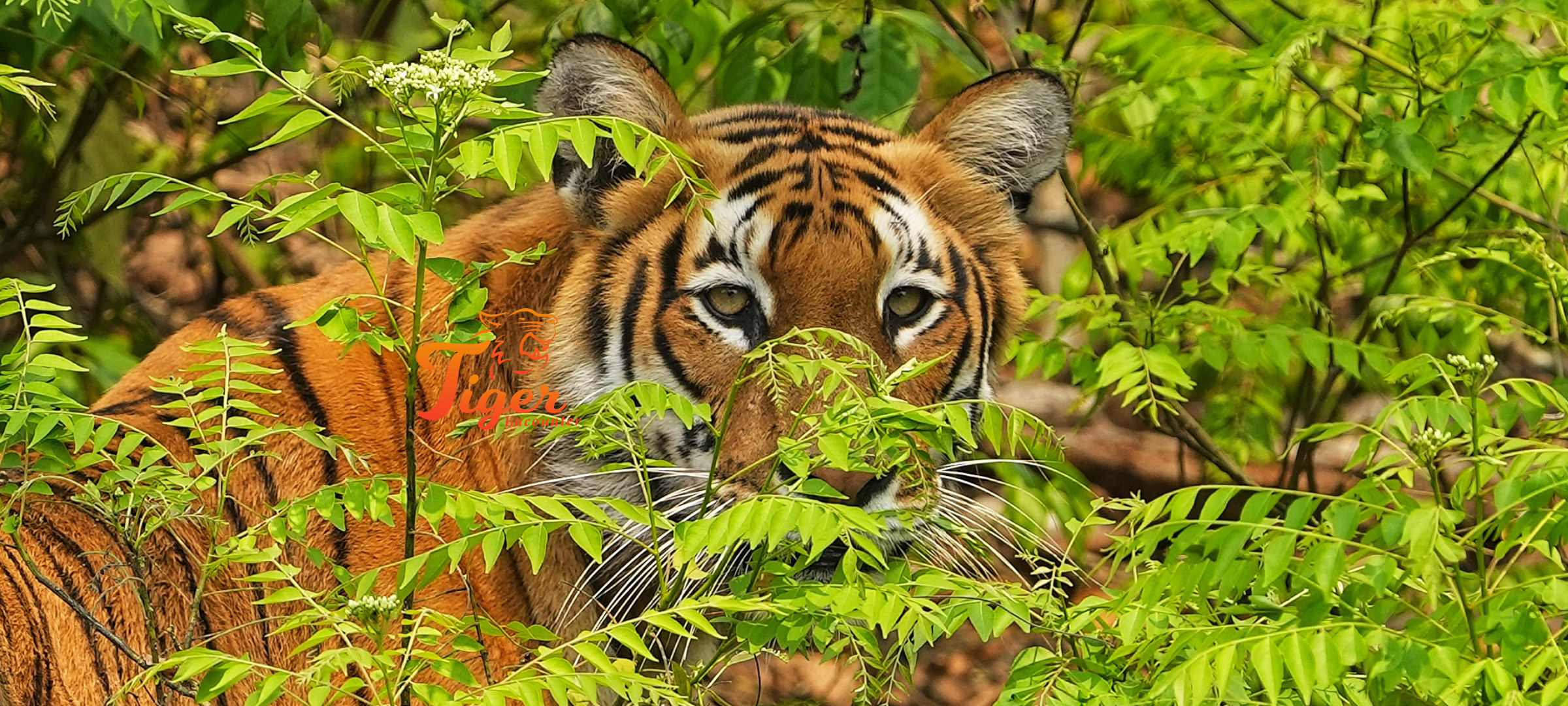
India is a vast and diverse country in South Asia, known for its rich cultural heritage, varied landscapes, and vibrant traditions. From the snow-covered Himalayan mountains in the north to the tropical forests and long coastlines in the south, India’s geography supports an incredible range of life. This diversity extends to its wildlife, which includes iconic species such as the Bengal tiger, Asiatic lion, Indian elephant, one-horned rhinoceros, and countless birds, reptiles, and plants. India’s forests, grasslands, mangroves, and mountains form some of the world’s most significant ecosystems, protected through numerous national parks and wildlife sanctuaries. Together, India’s cultural richness and remarkable natural biodiversity make it one of the most unique countries on the planet
Visa
British Nationals require a visa to visit.
Here is a link https://indianvisaonline.gov.in/evisa/tvoa.html
vaccinations and Health Information for India
Recommended Vaccinations
Visit a travel health clinic 6–8 weeks before departure. Common recommendations for India include:
Routine vaccines: Ensure you are up to date on MMR, DTP, polio, and tetanus.
Hepatitis A – recommended for all travellers (food and water risk).
Hepatitis B – recommended for longer stays or potential medical exposure.
Typhoid – recommended, especially if travelling to rural areas.
Rabies – consider if visiting rural areas, trekking, or working with animals.
Japanese Encephalitis – for long stays in rural or agricultural areas, especially in summer and monsoon months.
Cholera – only recommended in certain outbreak areas.
Influenza – recommended seasonally.
Malaria
Risk exists in most rural areas, forested regions, and during the monsoon (Jun–Sep).
Use preventive antimalarial medication if advised by your travel clinic. Common options:
Atovaquone-proguanil
Doxycycline
Mefloquine
Mosquito bite prevention: long sleeves/trousers, DEET-based repellent, mosquito nets
New Digital Arrival Card
Travellers from the UK, US, EU and Canada must also complete a Digital Arrival Card. This can be filled online up to 72 hours before arrival via the official Indian visa website https://indianvisaonline.gov.in/earrival/. This is separate from the Indian e-visa process and this remains the same. Physical cards will remain at the arrival airport until 1 April 2026, at which point the Digital Arrival Card will be made mandatory.
UK Government Travel Advice
India Weather
India has a diverse climate due to its large size, ranging from tropical in the south to temperate and alpine in the north. Generally, it has three main seasons:
Summer (March – June)
Hot temperatures across much of the country.
Northern plains: 35–45 °C (sometimes higher in Rajasthan and central India).
Southern coastal regions: 30–40 °C, high humidity.
Hill stations (Himalayan foothills) are cooler: 20–30 °C.
Monsoon / Rainy Season (June – September)
Southwest monsoon brings heavy rainfall to most regions.
Western Ghats, Kerala, and northeastern states receive very high rainfall.
Northern plains: moderate rainfall, some flooding possible.
Coastal areas: high humidity, frequent thunderstorms.
Winter (October – February)
Northern plains: cool to mild, 5–20 °C; frost possible in northern mountains.
Rajasthan & deserts: chilly nights, warm days.
Southern India: warm and dry, 20–30 °C.
Himalayan regions: snow and freezing temperatures in high-altitude areas.
India Safari Packing List
1. Clothing
Lightweight, breathable clothes – cotton or moisture-wicking fabrics.
Neutral-colored clothing (khaki, olive, beige) – avoid bright colors that scare wildlife.
Long-sleeved shirts and long trousers – protect against mosquitoes, ticks, and thorny bushes.
T-shirts and shorts – for lodge or casual wear (not for safaris).
Light sweater or fleece – early mornings and evenings can be cool (Nov–Feb).
Rain jacket or poncho – essential in monsoon season (Jun–Sep).
Hat or cap with a brim – for sun protection.
Comfortable walking shoes or hiking boots – sturdy soles for jungle trails.
Sandals/flip-flops – for lodge or casual wear.
Socks – breathable, moisture-wicking.
2. Health
Insect repellent – DEET-based (20–50%), especially in monsoon months.
Mosquito net – some lodges provide them; good to bring if staying in remote areas.
Sunscreen – SPF 30+; water-resistant recommended.
Basic first-aid kit – bandages, antiseptic wipes, painkillers, anti-diarrheal medicine.
Prescription medications – sufficient supply plus copies of prescriptions.
Hand sanitizer & wet wipes – hygiene in remote lodges.
Malaria prophylaxis – depending on region (consult travel clinic).
Travel insurance documents – covering medical evacuation and emergencies.
3. Safari & Wildlife Gear
Binoculars – essential for spotting tigers, leopards, elephants, and birds.
Camera gear – DSLR or mirrorless with telephoto lens (200–400mm+), extra batteries, memory cards, and lens cleaning kit.
Waterproof camera bag – protect electronics from dust, humidity, or rain.
Notebook & pen – to record wildlife sightings.
Flashlight or headlamp – useful for early morning/late evening excursions.
Small backpack / daypack – to carry water, snacks, camera, and rain gear.
4. Travel Accessories
Reusable water bottle – stay hydrated in hot, humid conditions.
Travel towel – quick-drying and compact.
Dry sacks / ziplock bags – protect electronics and documents from moisture.
Sunglasses – polarized for sun protection.
Portable power bank / charger – electricity can be inconsistent in remote lodges.
5. Documents & Money
Passport – valid for at least 6 months.
Visa – required for UK citizens; e-visa available.
Travel insurance details – including medical evacuation coverage.
Cash (Indian Rupees) and cards – many safari lodges accept cash only.
Copies of documents – keep originals and backup copies separately.
6. Optional but Useful
Field guides / wildlife books – for birds, mammals, or butterflies.
Snacks / energy bars – for early morning safaris.
Travel pillow & eye mask – for lodge or train travel.
Light scarf / shawl – can protect against dust, sun, or modesty in villages.
Handkerchief / wet wipes – for hygiene during dusty or humid conditions.
Packing Tips
Neutral colors: essential for wildlife viewing.
Layering: mornings and evenings can be cool, even in tropical areas.
Rain gear: monsoon safari requires poncho, waterproof bags, and protective covers.
Comfortable, closed shoes: must for dusty trails and forest walks.
Sun and insect protection: vital year-round in India.


Not available