
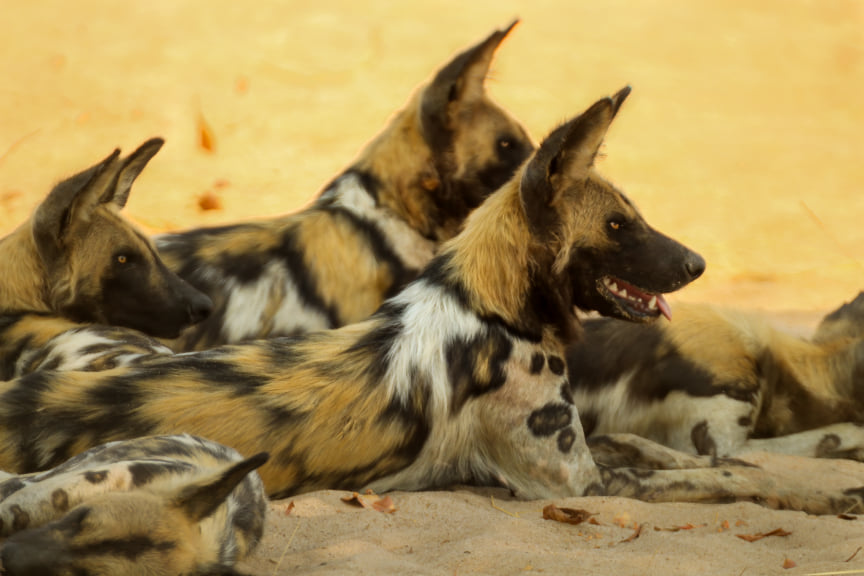
Zimbabwe, a landlocked country in southern Africa, is renowned for its stunning landscapes, including the Victoria Falls and vast savannas, as well as its rich wildlife. Its national parks, such as Hwange and Mana Pools, are home to elephants, lions, leopards, rhinos, buffalo, and numerous antelope species. The country’s rivers and wetlands attract hippos, crocodiles, and a wide variety of birds, including fish eagles, storks, and pelicans. Zimbabwe’s diverse ecosystems, from woodlands and grasslands to riverine forests, provide safe habitats for both iconic and rare species. With dedicated conservation efforts, Zimbabwe remains an important destination for wildlife lovers and eco-tourists
Visa
You must have a visa to visit Zimbabwe. Most visitors get their visa on arrival.
Applying for a visa
The visa on arrival is usually granted for 30 days. Take enough US dollars with you in small notes to pay for your visa. See information on visa fees from the Zimbabwean Embassy.
It is possible to apply for an e-visa before you travel, with options for single entry or double entry visas at different prices.
You can also use the KAZA Univisa in Zimbabwe. It is valid for travel between Zimbabwe and Zambia and for day trips into Botswana. The KAZA Univisa is available at Harare, Bulawayo and Victoria Falls airports and at the land borders at Victoria Falls (Zimbabwe-Zambia border) and Kazungula (Zimbabwe-Botswana border). It costs 50 US dollars and is valid for 30 days.
It is no longer possible to get a visa from the Zimbabwean Embassy in London.
To extend or renew visas or permits, go in person to the Government of Zimbabwe Immigration Department.
To stay longer or to work or study, or for business travel, you must meet the Zimbabwean government’s entry requirements. You must have a temporary work permit if you’re volunteering or doing missionary work
vaccinations and Health Information for Zimbabwe
Routine / Strongly Recommended
Ensure you are up to date with standard UK vaccines:
MMR (Measles, Mumps, Rubella) – 2 doses
Diphtheria, Tetanus & Polio (DTP booster) – within last 10 years
Covid-19 – up to date
Recommended for Most Travellers
Hepatitis A
Food and water–borne; recommended for nearly all travellers
Typhoid
Recommended for travellers visiting rural areas or eating street food
Consider Depending on Activities
Hepatitis B
For longer stays, volunteering, healthcare work, or close contact with locals
Rabies
Zimbabwe has stray dogs, bats, and wildlife; consider vaccination if:
Trekking or camping in remote areas
Frequent wildlife interaction
Yellow Fever
Required only if arriving from a country with risk of yellow fever transmission
Certificate may be requested at entry
Malaria Prevention
Malaria is present in most areas of Zimbabwe, including safari regions and rural areas
Take antimalarial tablets (atovaquone/proguanil, doxycycline, or mefloquine)
Use mosquito repellent and wear long sleeves/trousers at dawn/dusk
Sleep under mosquito nets where available
UK Government Travel Advice
Zimbabwe Weather
Zimbabwe has a tropical climate with distinct wet and dry seasons. Altitude moderates temperatures in most areas (800–1,500 m / 2,600–4,900 ft).
Temperature
Daytime: 20–30°C
Nighttime: 10–20°C
Highveld (Harare, Bulawayo): Mild, cooler mornings/evenings
Lowveld (Victoria Falls, Hwange): Hotter, especially Nov–Mar
Seasons
Dry Season (May – October)
Best time for safaris and wildlife viewing
Weather: Warm days, cool nights, almost no rain
Temps:
Day: 25–30°C
Night: 10–15°C
Safari tips: Animals concentrate around water sources → excellent game viewing
Wet / Rainy Season (November – April)
Weather: Hot, humid, frequent afternoon/evening thunderstorms
Temps: 25–35°C
Safari tips: Roads in some parks may become muddy; lush landscapes and bird migration excellent
Peak rain months: December–February
Regional Variations
Highveld (Harare, Bulawayo, Eastern Highlands)
Cooler nights
Rain mainly Nov–Mar
Good for cultural tourism and nature walks
Lowveld & National Parks (Hwange, Mana Pools, Gonarezhou)
Hotter, especially Oct–Mar
Dry season (May–Oct) is peak safari time
Wet season: parks lush, more mosquitoes
Victoria Falls
Hot year-round
Best visiting time: May–October (dry, lower water levels for easier viewing)
Peak waterfall flow: Feb–May (after rains)
Safari & Wildlife Timing
Best game viewing: Dry season (May–October) → animals near water
Wet season: Birds, migratory species, and green landscapes; some roads may be challenging
Zimbabwe Safari Packing List
Clothing (Neutral Colours)
Neutral earth tones (khaki, beige, olive, brown) recommended to avoid disturbing wildlife.
Essentials
Lightweight long-sleeve shirts (sun & insect protection)
Short-sleeve T-shirts
Lightweight long trousers (zip-off convertible pants ideal)
Shorts (optional, mostly for lowveld safari or lodges)
Lightweight fleece or warm layer (cool mornings/evenings)
Waterproof jacket / poncho (especially for Nov–Apr rainy season)
Comfortable walking/hiking shoes
Sandals / lodge shoes
Wide-brim sun hat / cap
Sunglasses (UV protection)
Buff or scarf (dust & sun protection)
Seasonal Adjustments
Dry season (May–Oct): Fleece for mornings and evenings
Wet season (Nov–Apr): Waterproof jacket, quick-dry clothing, gaiters
Gear & Safari Equipment
Binoculars (8×32 or 10×42 recommended)
Camera + telephoto lens (200–400mm ideal for wildlife)
Spare batteries & memory cards
Daypack / dry bags for electronics
Headlamp / torch
Walking stick (optional, for bush walks or uneven trails)
Reusable water bottle / hydration pack
Travel adapter (Type G)
Sun, Insect & Health Protection
High-SPF sunscreen & lip balm
Insect repellent (DEET or picaridin)
After-bite cream / antihistamines
Small first-aid kit (plasters, antiseptic, painkillers)
Hand sanitizer & wet wipes
Malaria prophylaxis (consult travel clinic)
Long-sleeve shirts & trousers at dawn/dusk to prevent mosquito bites
Toiletries & Personal Items
Toothbrush / toothpaste
Soap / shampoo / deodorant
Razor / hairbrush
Feminine hygiene items
Prescription medications in original packaging
Travel tissues
Documents & Money
Passport (6+ months validity)
Visa (if required; check latest UK travel guidance)
Travel insurance (covering medical evacuation & safari activities)
Yellow Fever vaccination certificate (required)
Copies of documents (paper + digital backup)
Credit/debit cards & cash (USD widely accepted in lodges)
Not available