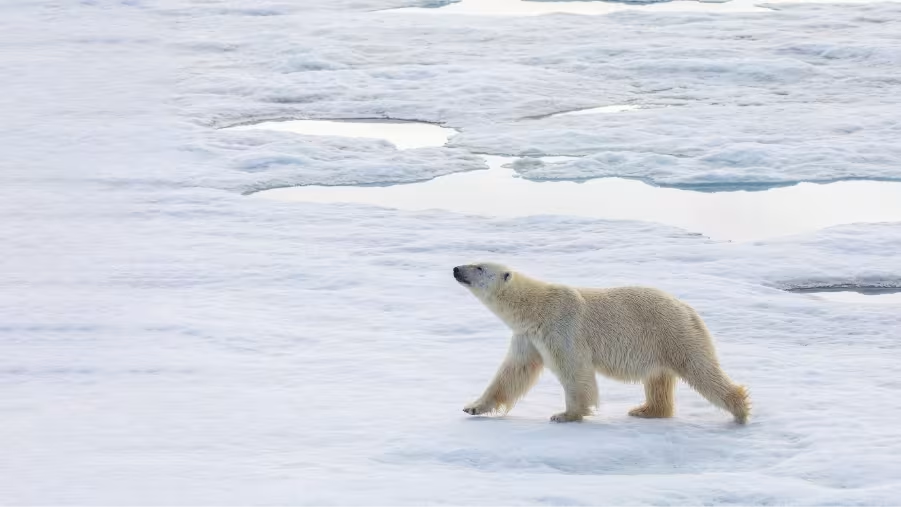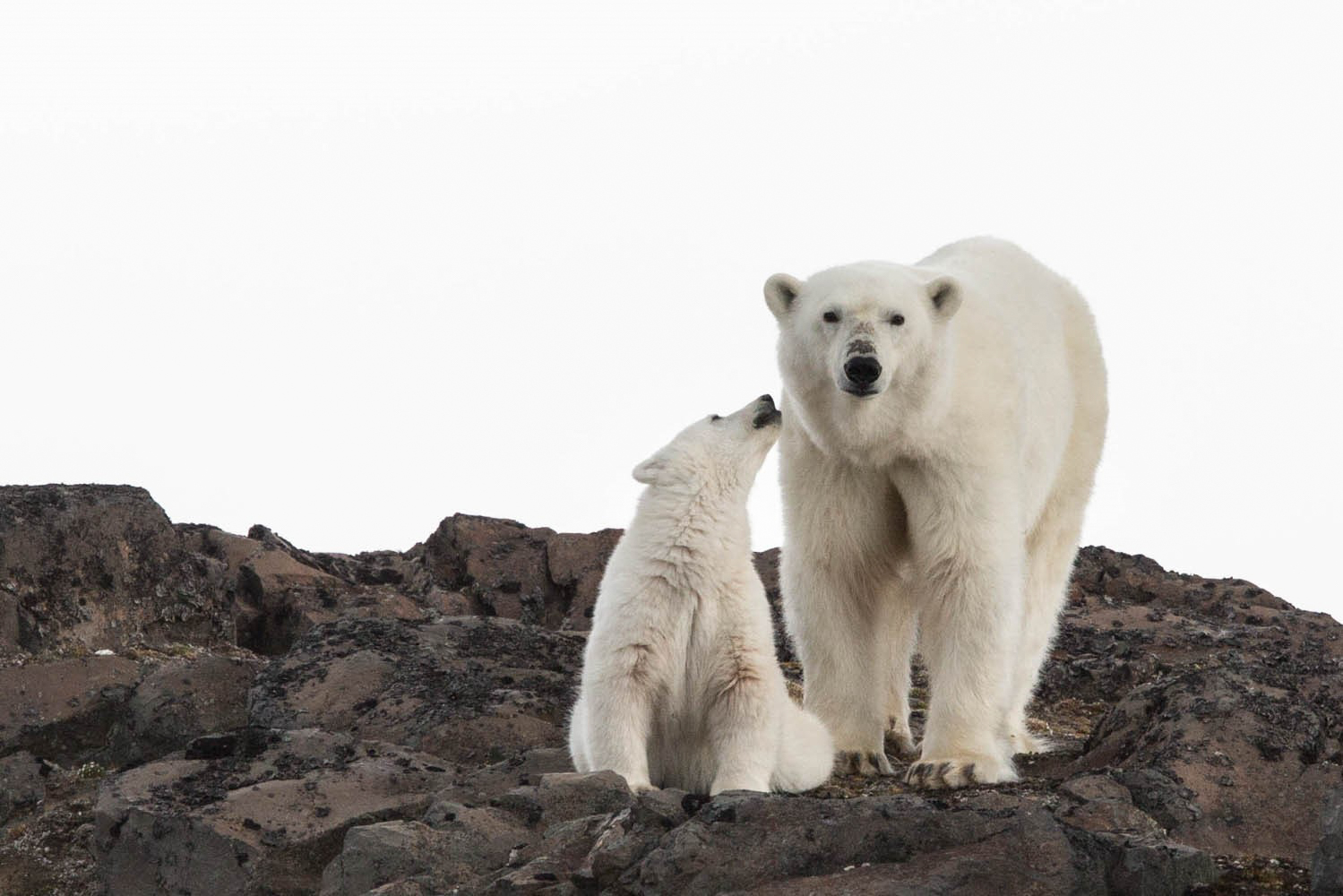
Norway, a Nordic country known for its dramatic fjords, snowy mountains, and northern lights, is rich in both natural beauty and wildlife. Its forests and wilderness areas are home to animals such as moose, reindeer, lynx, brown bears, and golden eagles. Far to the north lies the Svalbard archipelago, one of the world’s most remote Arctic regions, where polar bears, Arctic foxes, walruses, and seabird colonies thrive in the icy landscape. The surrounding waters host whales and seals, adding to the region’s remarkable biodiversity. With vast protected areas and strong conservation practices, Norway remains a haven for both mainland and Arctic wildlife.
Visa
Visa: No visa required specifically for Svalbard.
Transit via Schengen: If you’re flying via Norway / Schengen, and you require a Schengen visa, make sure it’s valid for two entries, because you might need to enter and leave mainland Norway.
Passport: Valid travel document required, but no additional validity beyond entry date required.
Stay requirements: Visitors must prove they have enough means (money, housing) to support themselves — Svalbard does not have a social welfare system.
Note: Always check whether your route involves Schengen because Svalbard itself is not Schengen but is part of Norway
UK Government Travel Advice
Norway Weather
Seasonal Breakdown
Winter (Dec – Feb)
Coastal south (e.g. Bergen): fairly mild, around 0 °C or a little below.
Inland and northern areas: much colder, possibly -10°C or lower; in Arctic zones it gets very cold.
In the far north, winter brings Polar Night, with very limited daylight.
Spring (Mar – May)
Variable weather: snow may still be around in March; by May, many southern and inland areas warm to 10–20 °C.
Rain showers are common during spring.
Summer (Jun – Aug)
Southern Norway (e.g. Oslo): pleasantly warm, average highs around 15–23 °C.
Northern and Arctic areas: cooler, often 10–18 °C, with long daylight (midnight sun).
Rain is common on the western coast, even in summer.
Autumn (Sep – Nov)
Cooling temperatures: in the south, 5–15 °C; in the north, possibly down to 0–10°C.
Rainfall tends to pick up, especially on the west coast.
Beautiful fall colours across the country
Svalbard Cruise Packing List
Essential Arctic Clothing
Base Layers (Thermal)
Merino wool thermal top (2–3)
Merino wool thermal leggings (2–3)
Merino or synthetic liner socks (3–4 pairs)
Mid Layers
Fleece jacket or sweater (1–2)
Lightweight insulated jacket (synthetic or down)
Fleece trousers (optional but useful)
Outer Layers (Windproof / Waterproof)
Waterproof, windproof shell jacket (Gore-Tex or similar)
Waterproof shell trousers (essential for Zodiac landings)
Expedition parka (often provided by cruise operators—check in advance)
Footwear
Insulated waterproof boots (if not provided)
Heavyweight wool socks (3–5 pairs)
Gaiters (optional but useful in snowy conditions)
Ship shoes/slippers with good grip