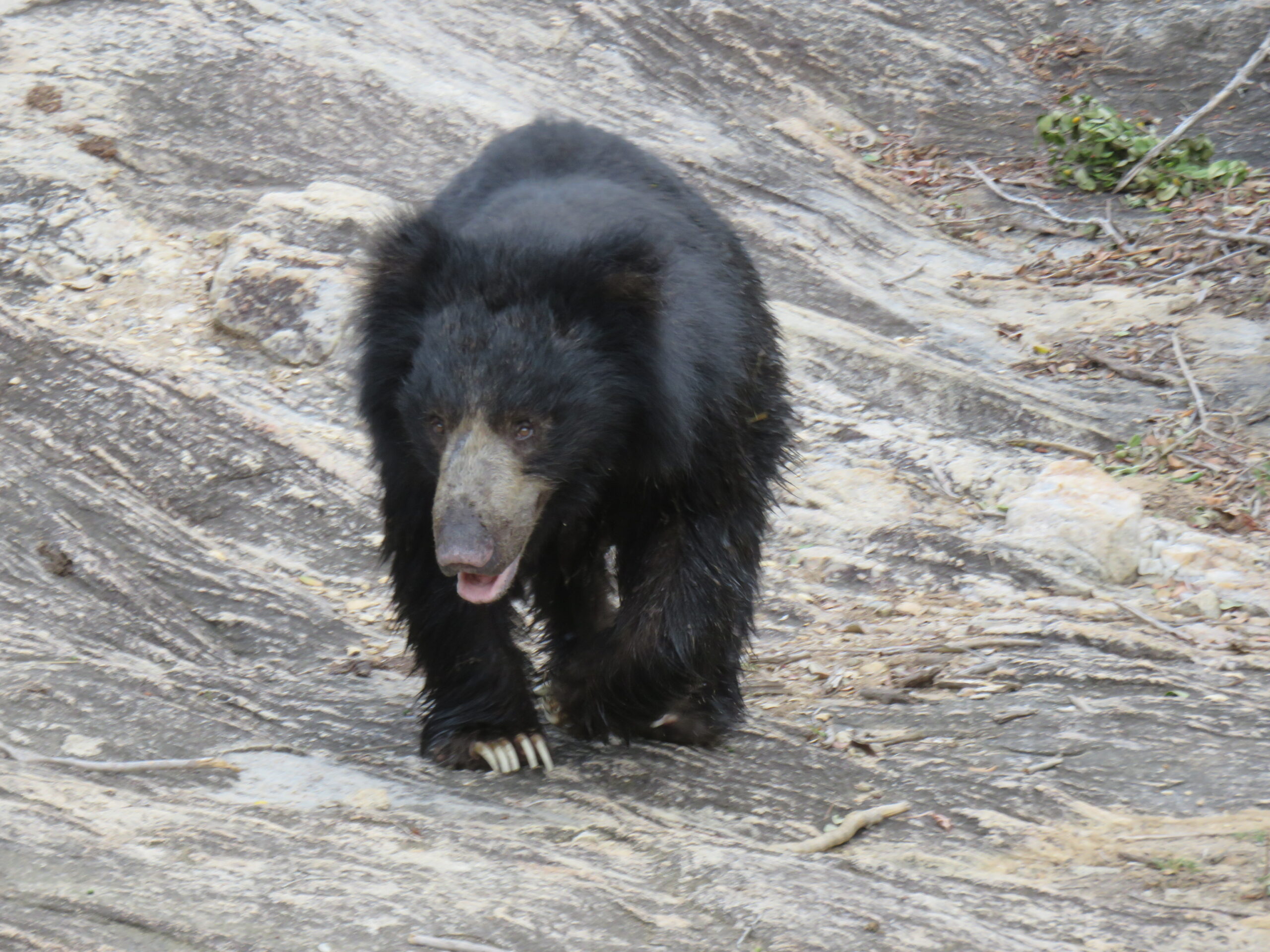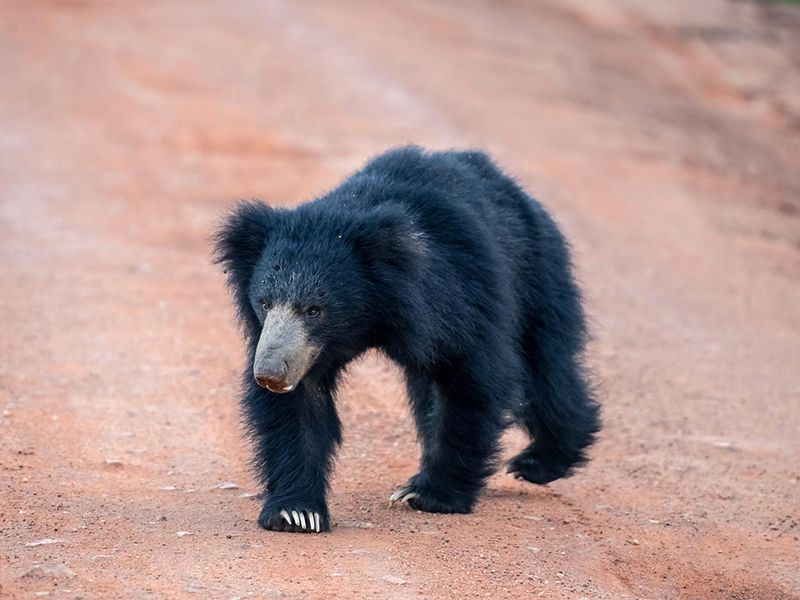
Sri Lanka, an island nation in the Indian Ocean, is celebrated for its lush landscapes, ancient heritage, and remarkable biodiversity. Its national parks, such as Yala, Wilpattu, and Udawalawe, are home to iconic wildlife including Asian elephants, leopards, sloth bears, and spotted deer. The island’s rainforests shelter rare species like the purple-faced langur and the Sri Lankan blue magpie, while its wetlands and lagoons attract flamingos, pelicans, and many migratory birds. Along the coast, sea turtles nest on sandy beaches and blue whales roam offshore waters. With rich ecosystems packed into a relatively small area, Sri Lanka is recognized as one of the world’s top wildlife destinations
Visa
To enter Sri Lanka, you need to apply for an ‘Electronic Travel Authorization’ (ETA) which is a form of visa.
Applying for an Electronic Travel Authorization (ETA)
Apply for a Sri Lanka ‘Electronic Travel Authorization’ (ETA) online. You should do this before travel. ETAs will be valid for 30 days. Alternatively, you can also apply for an on-arrival ETA at the airport’s Immigration counter.
If you plan to stay longer, you can apply for an extension online through Sri Lankas official Immigration portal. You do not need a visa if you are transiting through Sri Lanka by air, if the connecting flight is within 24 hours of your arrival. Check with your airlines about transit times.
For more information on Sri Lankan visas, please visit Department of Immigration and Emigration.
Overstaying your visa
If you overstay the period of your ETA (30 days), you risk being subject to immigration procedures that may include temporary detention, a fine, deportation at your own expense, a travel ban or refusal of entry to Sri Lanka in the future.
vaccinations and Health Information for Sri Lanka
Routine Vaccines (Make sure you’re up to date)
These are standard UK childhood/adult immunisations:
MMR (Measles, Mumps, Rubella) – 2 doses
Diphtheria, Tetanus & Polio (DTP) – booster within 10 years
Covid-19 (updated course)
Recommended for Most Travellers
Hepatitis A
Recommended for nearly all travellers.
Typhoid
Food & water–borne illness risk; recommended for most.
Consider Depending on Activities or Length of Stay
Hepatitis B
Consider if:
Longer trips
Volunteering/healthcare work
Close contact with children
Adventure activities
Risk of medical procedures
Rabies
Sri Lanka has stray dogs and some wildlife exposure risks.
Consider if:
Spending lots of time outdoors
Cycling, hiking, remote travel
Wildlife watching or working with animals
Japanese Encephalitis
Consider if:
Staying in rural areas or rice-field regions
Travelling during/after rainy season
Staying >1 month in countryside
Doing lots of outdoor or dusk-time activities
Yellow Fever
NOT present in Sri Lanka
Certificate only required if you are arriving from a Yellow Fever risk country.
Malaria
Sri Lanka is officially malaria-free
Anti-malarial tablets are NOT required
Still use strong mosquito bite protection (risk of dengue)
UK Government Travel Advice
Sri Lanka Weather
Sri Lanka has consistent warm temperatures (27–32°C on average), but rainfall patterns vary by region because of the monsoons.
December – March (Dry Season in the South & West)
Best travel period for most of the island
Regions: Colombo, Galle, Mirissa, Yala, Udawalawe, Sinharaja
Weather:
Hot & sunny
Occasional short showers
Humidity moderate
Temps: 28–32°C
Wildlife note: Excellent for leopards in Yala & Wilpattu, elephants in Udawalawe
May – September (Southwest Monsoon)
Wet on the south and west coasts
Dry season in the Cultural Triangle & East Coast
Wet regions: Colombo, Galle, Bentota, Sinharaja
Dry regions: Sigiriya, Dambulla, Minneriya, Trincomalee, Arugam Bay
Weather:
Heavy showers and storms on west/south coast
Sunny, dry on east & central areas
Temps: 28–33°C
October – November (Inter-monsoon Season)
Wettest and most unpredictable period
Rain nationwide — often intense thunderstorms
Very humid
Travel still possible but expect downpours
Temps: 27–31°C
March – April (Hot Season Nationwide)
Very warm and humid everywhere
Sunshine common
Inland temperatures highest (up to 35°C)
Beaches still excellent
Great safari time
Regional Climate Differences
South & West Coast (Colombo, Galle, Mirissa)
Best: Dec–March
Wet: May–Sept
East Coast (Trincomalee, Arugam Bay)
Best: April–September
Wet: Oct–Jan
Cultural Triangle (Sigiriya, Dambulla, Polonnaruwa)
Hot & dry most of the year
Wet only Oct–Dec
Hill Country (Kandy, Nuwara Eliya, Ella)
Cooler: 15–22°C
Misty, with showers year-round
Cold nights at high altitude
Quick Month-by-Month Summary
Dec–Mar: Best weather overall, dry, sunny
Apr: Hot and humid
May–Jun: Southwest monsoon starts (wet in south/west)
Jul–Aug: Dry in east & Cultural Triangle
Sept: Transition month
Oct–Nov: Wettest months across the island
Sri Lanka Safari Packing List
1. Clothing (Lightweight & Breathable)
Use neutral, natural colours (khaki, beige, olive, grey) for wildlife viewing.
Essentials
Lightweight long-sleeve shirts (sun + insect protection)
Short-sleeve breathable T-shirts
1–2 pairs lightweight long trousers (zip-offs ideal)
Shorts (avoid at dawn/dusk in mosquito-prone areas)
Light fleece or long-sleeve layer (cooler mornings inland)
Lightweight waterproof jacket or poncho (rain showers common)
Comfortable walking/hiking shoes
Sandals or lodge shoes
Sun hat or cap
Sunglasses
Buff or scarf (sun/wind/dust)
Hill Country Add-On (Kandy, Ella, Nuwara Eliya)
Warmer layer (nights can drop to 12–18°C)
Light beanie/hat for early mornings (optional)
2. Gear & Safari Equipment
Binoculars (8×32 or 10×42 recommended)
Camera + telephoto lens (wildlife can be distant)
Memory cards & spare batteries
Daypack
Dry bags / zip bags (humidity + dust protection)
Power bank
Travel adapter (Sri Lanka uses Type D/M/G plugs; many hotels also have UK-style sockets)
Torch/headlamp (helpful in nature lodges)
Reusable water bottle
Cooling towel (excellent for hot/humid safaris)
3. Sun & Insect Protection
Sri Lanka has dengue, so strong mosquito protection is essential.
High-SPF sunscreen (SPF 30–50)
SPF lip balm
Insect repellent (DEET or picaridin)
After-bite soothing cream
Antihistamines (for bites & allergies)
Small first-aid kit
Hand sanitiser
Rehydration salts (humidity can cause dehydration quickly)
Light long sleeves/trousers for dawn/dusk
4. Toiletries
Toothbrush & toothpaste
Soap/shampoo
Deodorant
Razor
Personal medication (in original packaging)
Wet wipes
Travel tissues
Small medical kit (plasters, antiseptic wipes, blister pads)
5. Important Documents
Passport
Travel insurance (make sure it includes wildlife activities)
Reservation & permit confirmations (Yala, Wilpattu etc.)
Vaccination records (only needed if arriving from Yellow Fever country)
Copies of documents (paper + digital)
Credit/debit cards + some cash (LKR)